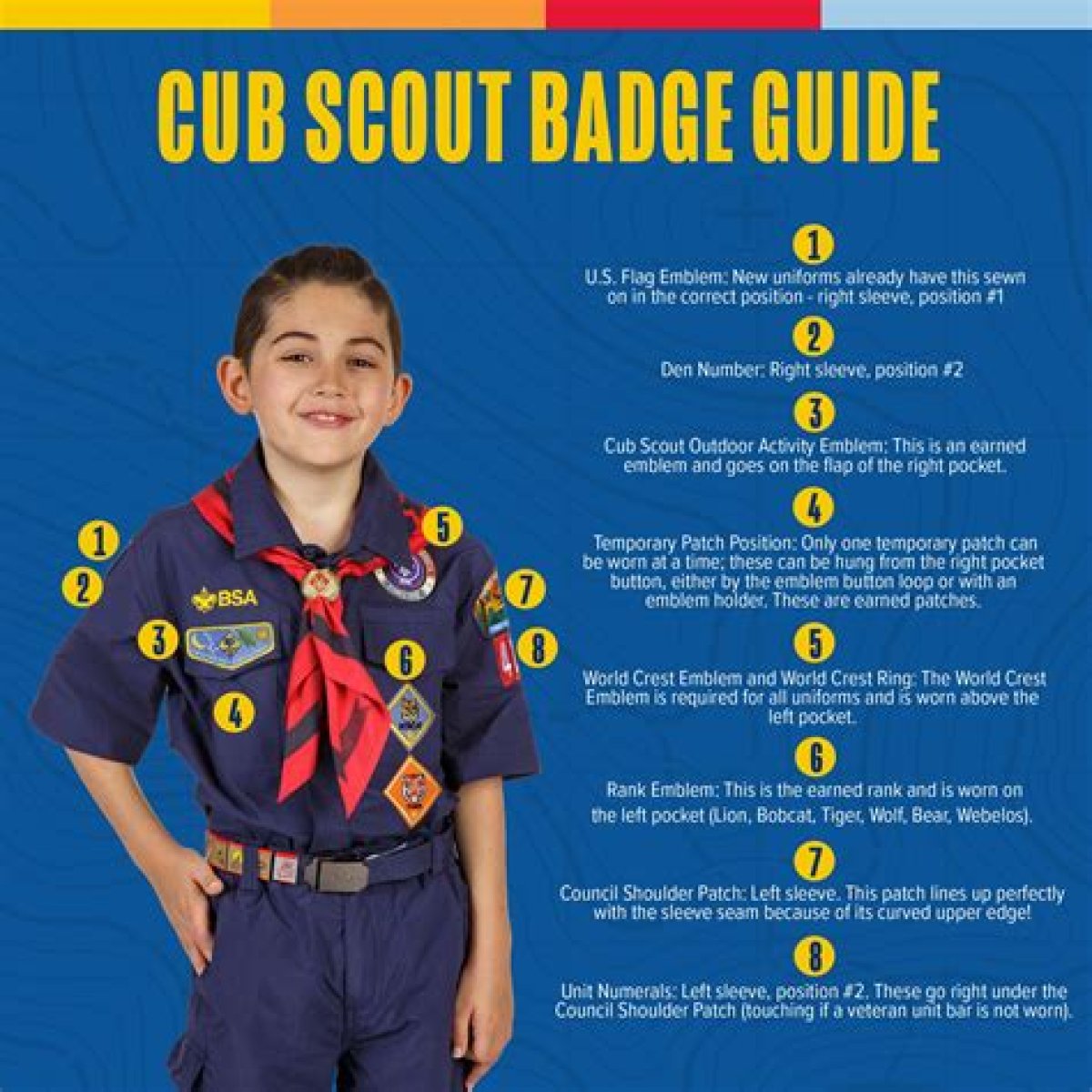
Cub Scouts is an exciting program designed for young boys and girls that encourages personal development, teamwork, and outdoor skills. In this comprehensive guide, we will explore everything you need to know about Cub Scouts, including its history, activities, benefits, and how to get involved. As we dive deeper into the world of scouting, we’ll uncover the essential elements that make Cub Scouts a cherished experience for children and their families.
Whether you're a parent considering signing your child up for Cub Scouts or someone interested in the organization itself, this article will provide you with valuable insights into the program. We will also discuss the various ranks, awards, and outdoor adventures that Cub Scouts participate in, fostering a sense of community and leadership among participants.
From the importance of character development to the fun-filled activities that await, this guide aims to be your go-to resource for understanding Cub Scouts. So, grab your backpack, and let’s embark on this scouting journey together!
1. The History of Cub Scouts
Cub Scouts is a program that has a rich history, originating in the early 20th century. Founded by Robert Baden-Powell in 1907, the scouting movement aimed to develop young boys into responsible citizens through outdoor activities and moral education. The Cub Scouts program specifically was introduced in 1916 as a way to engage younger children, typically ages 7 to 10.
The concept of Cub Scouts was inspired by the experiences of Baden-Powell during the Boer War, where he noticed the effectiveness of young boys in assisting adults during difficult situations. This led to the establishment of a program that encourages youth to learn valuable life skills while fostering friendships and teamwork.
Today, Cub Scouts can be found in many countries around the world, adapting to the needs of local communities while maintaining the core values of scouting: trustworthiness, loyalty, and helpfulness.
2. Structure of the Cub Scouts Program
The Cub Scouts program is divided into several levels, allowing children to progress at their own pace while learning important skills. Each level is designed to cater to the developmental needs of children within specific age groups.
2.1 Age Groups
- Wolf Scouts: Typically ages 7-8.
- Bear Scouts: Typically ages 8-9.
- Webelos Scouts: Typically ages 9-10.
2.2 Den and Pack Structure
Cub Scouts are organized into small groups known as "dens," which are comprised of children from the same age group. Multiple dens come together to form a "pack." This structure allows for both individual attention and a sense of community. Each den meets regularly to work on projects, earn badges, and participate in activities.

